Frania
Eisenbach
Frania Eisenbach
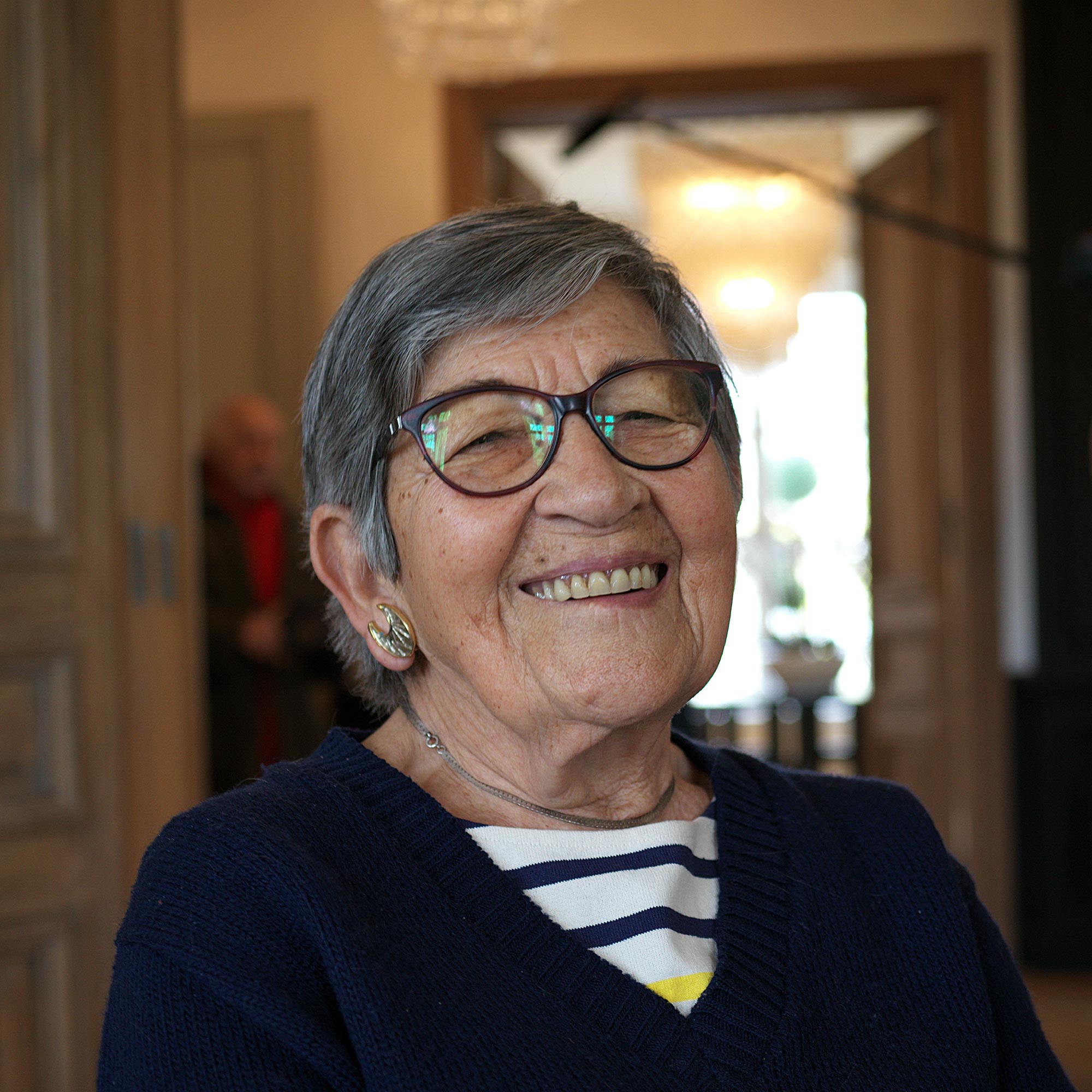
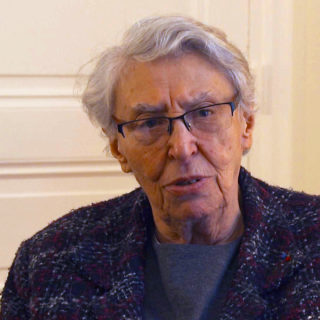
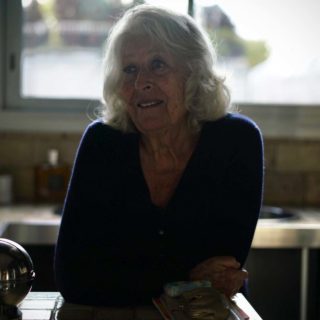
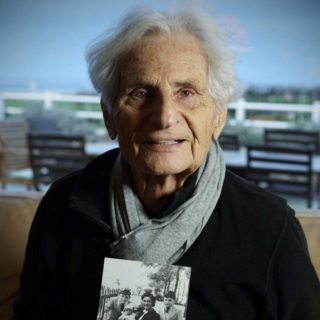
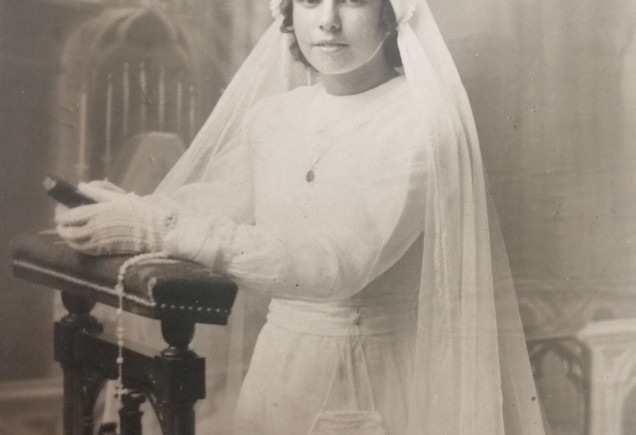
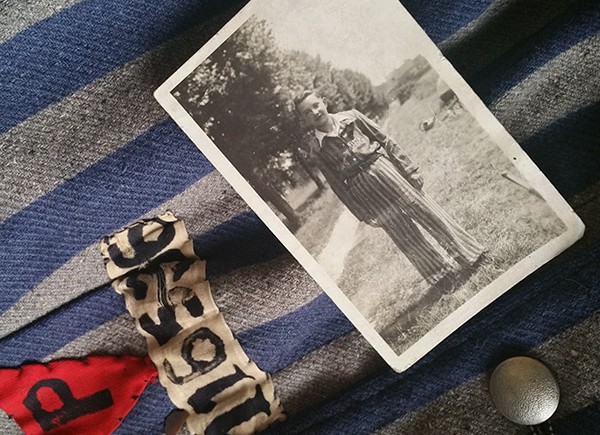
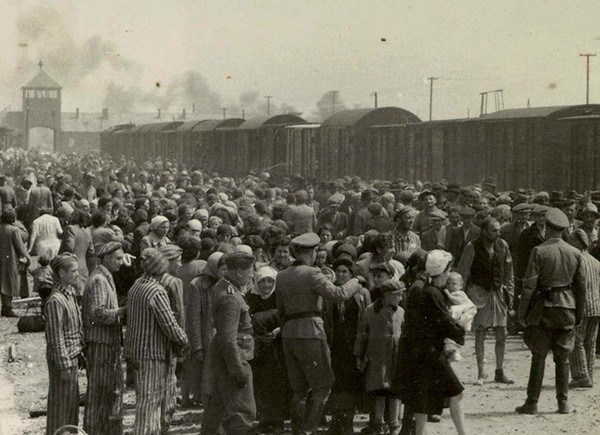
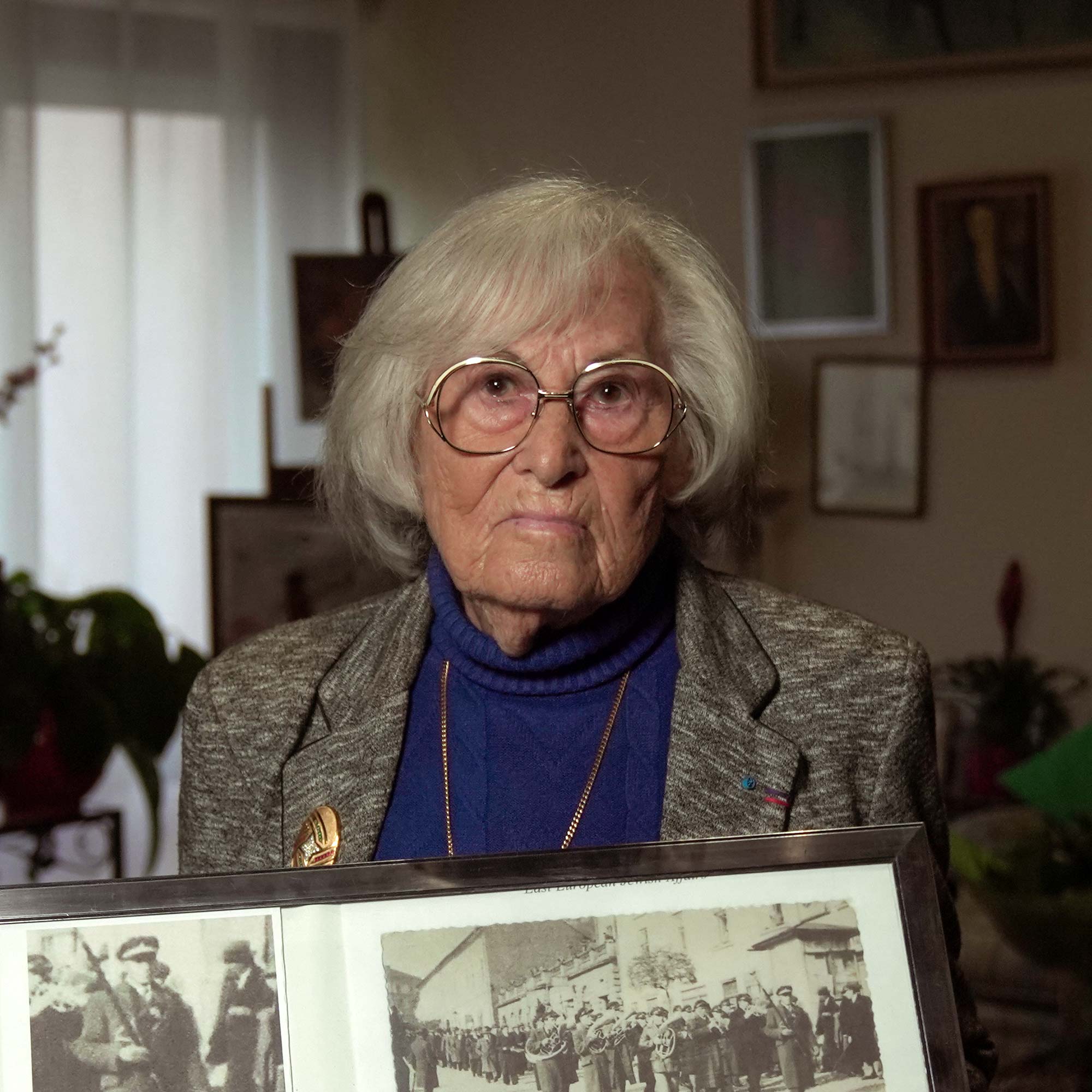
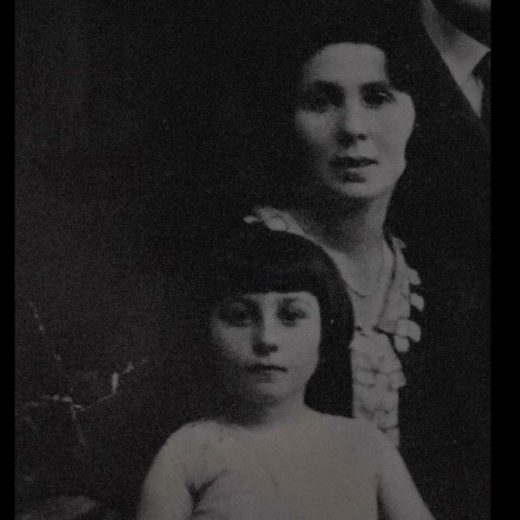
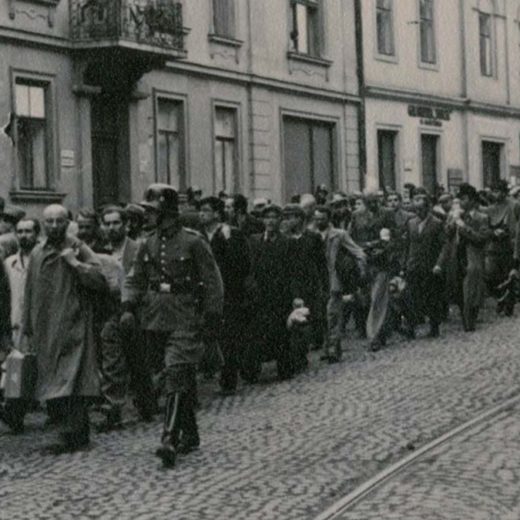
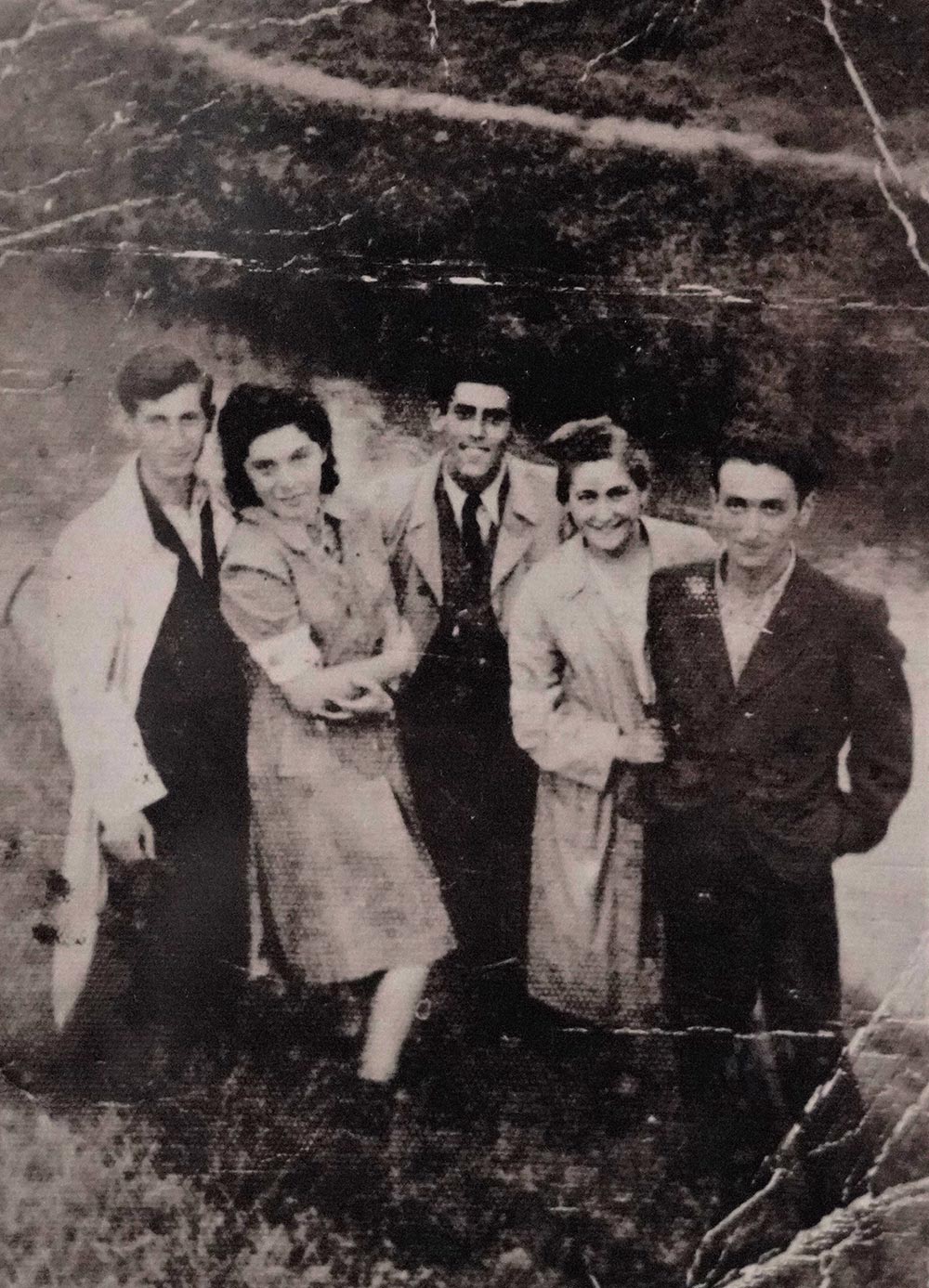
Frania Eisenbach was born on March 1, 1926, in Tarnów, a city in southern Poland. She came from a family of musicians: her father was a symphony conductor, and her mother played piano in the city’s cinemas. She had two older brothers, one of whom was a violinist. In September 1939, Tarnów was invaded by the Germans. When Frania’s father learned he was being hunted by the occupiers, he decided to flee. In 1941, Frania and the rest of her family were confined to the Tarnów Ghetto. She recalls horrific scenes — including discovering an entire family of friends murdered in their home, [...+]
My visit to Frania
Clips
See
Frania
« My mother squeezing my hand, and then... nothing »
See
Frania
« There was an 18-month-old baby who lying in a pool of blood screaming »
Photos
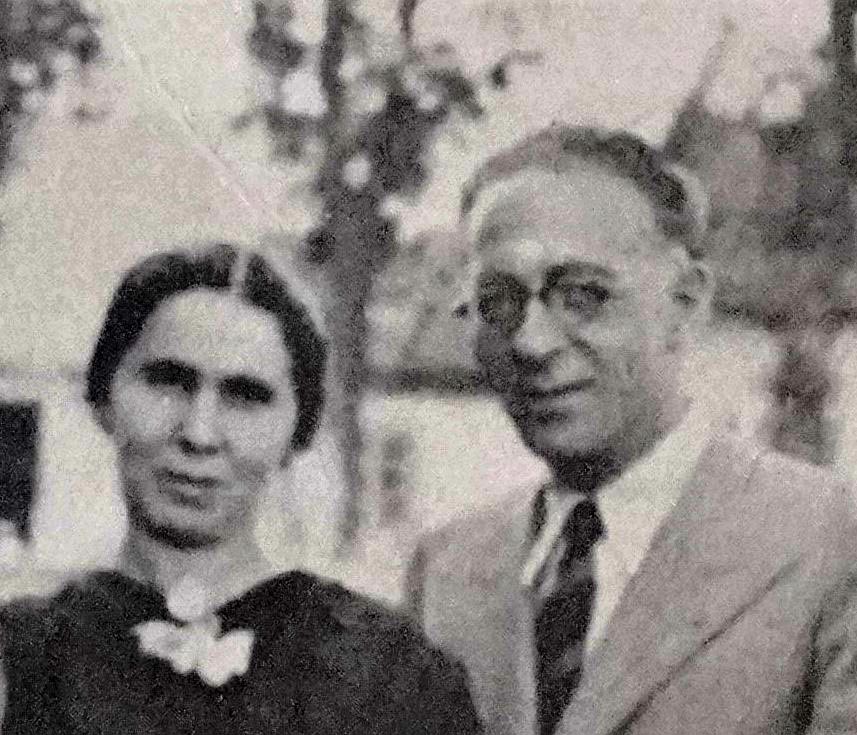
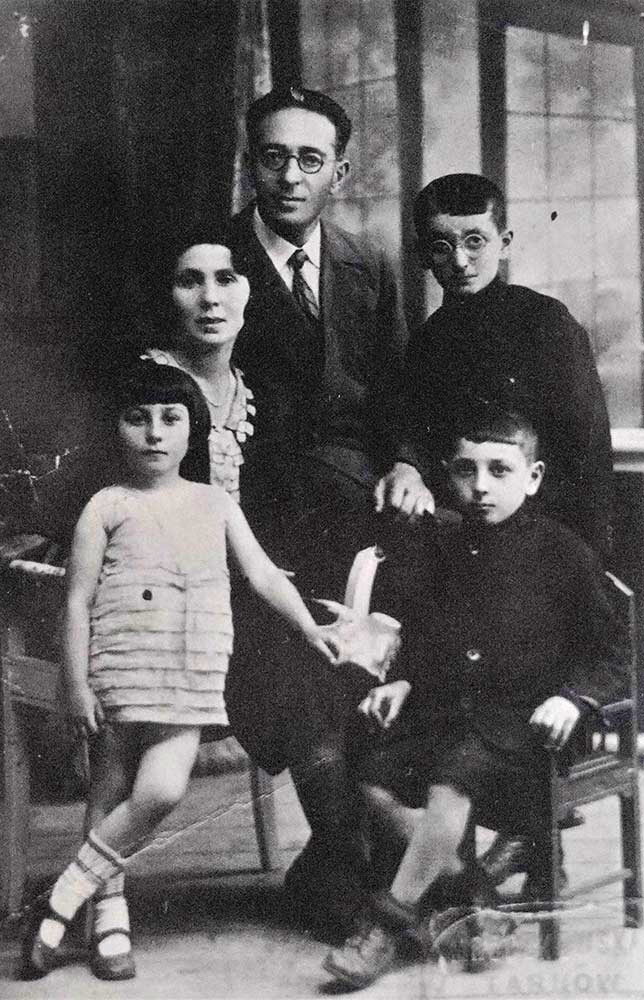
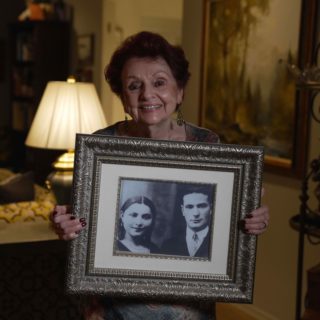
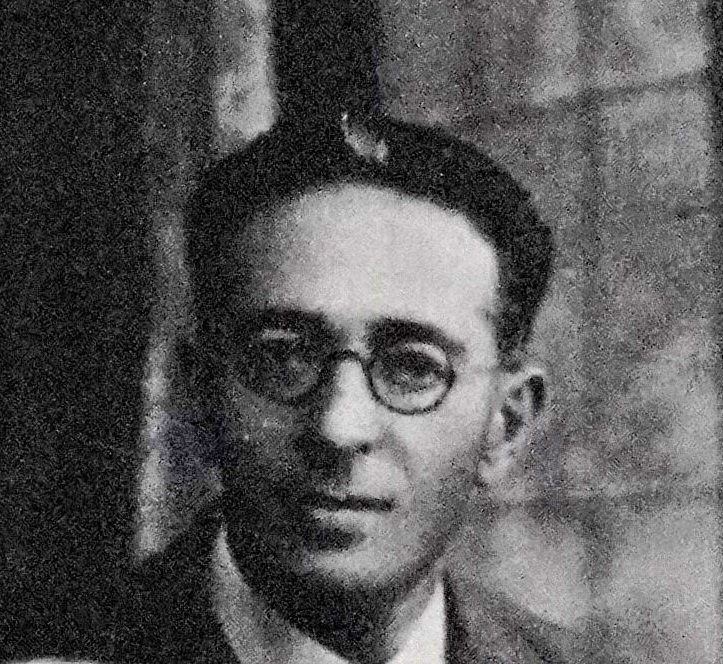
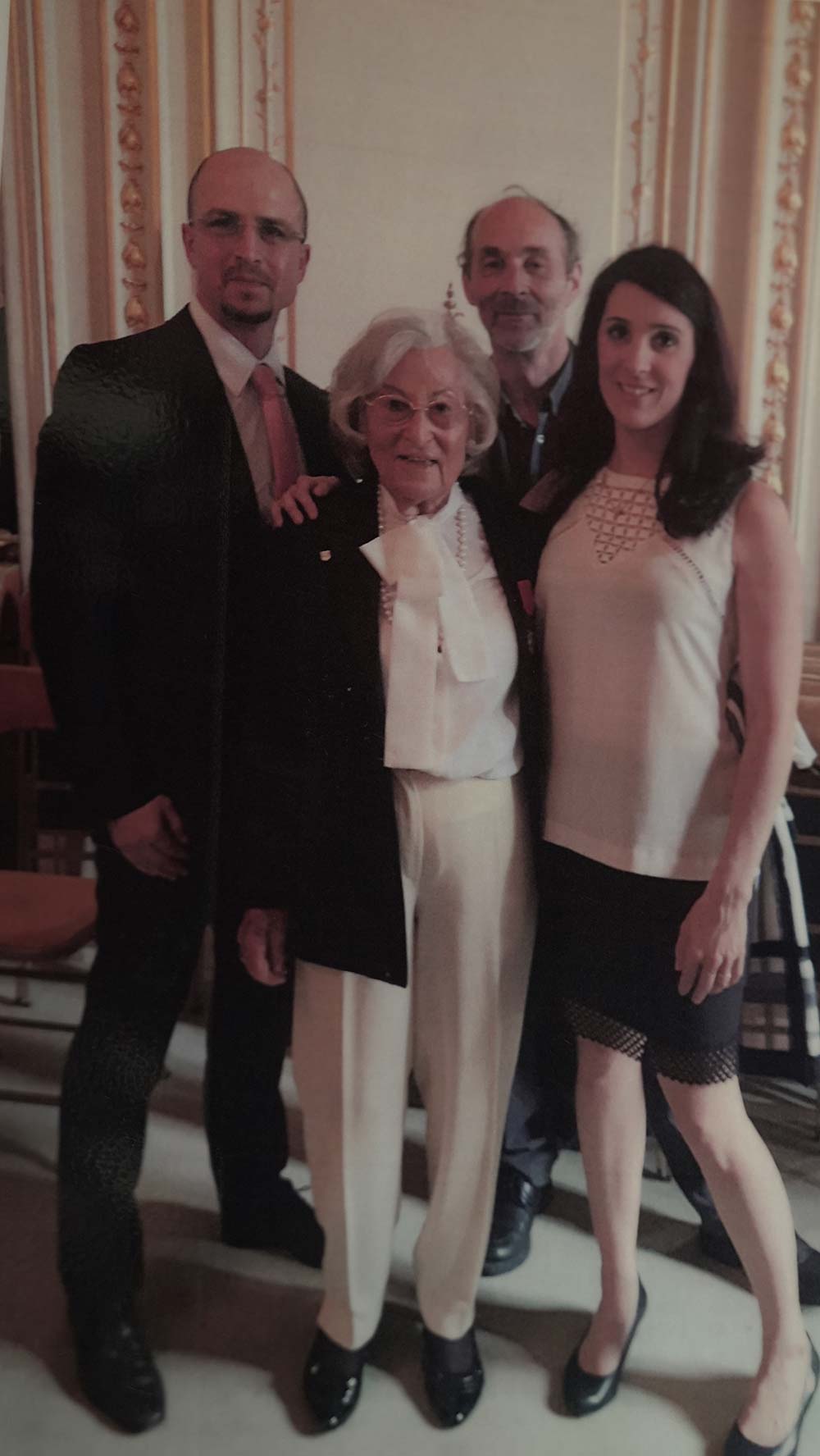
Frania et sa famille
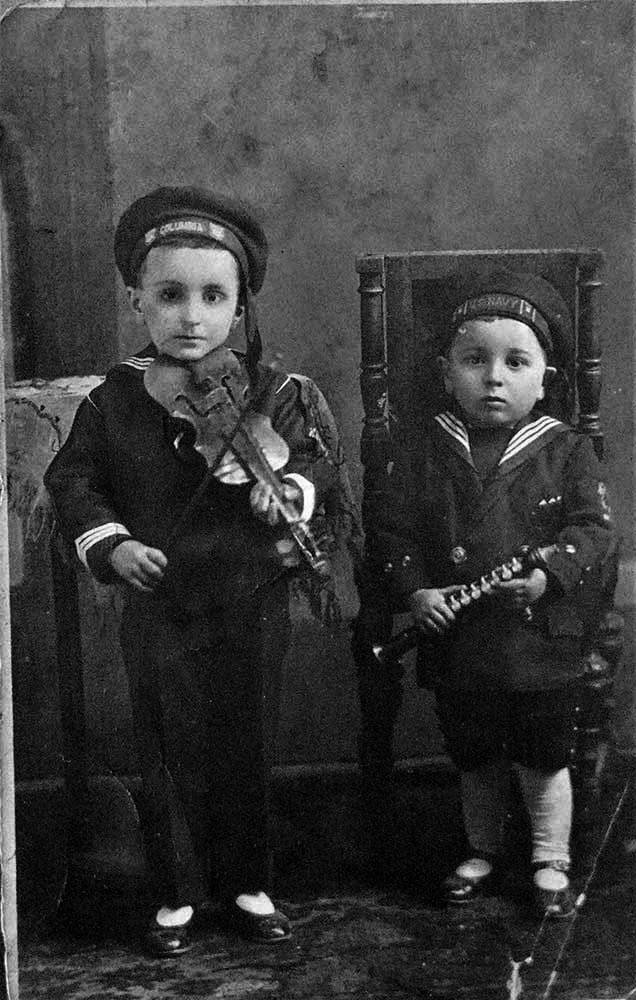
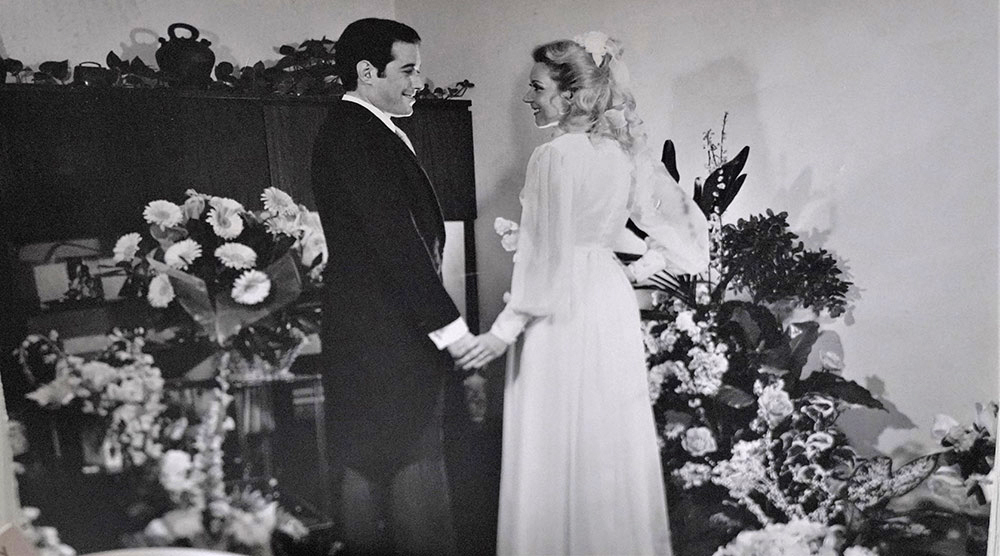
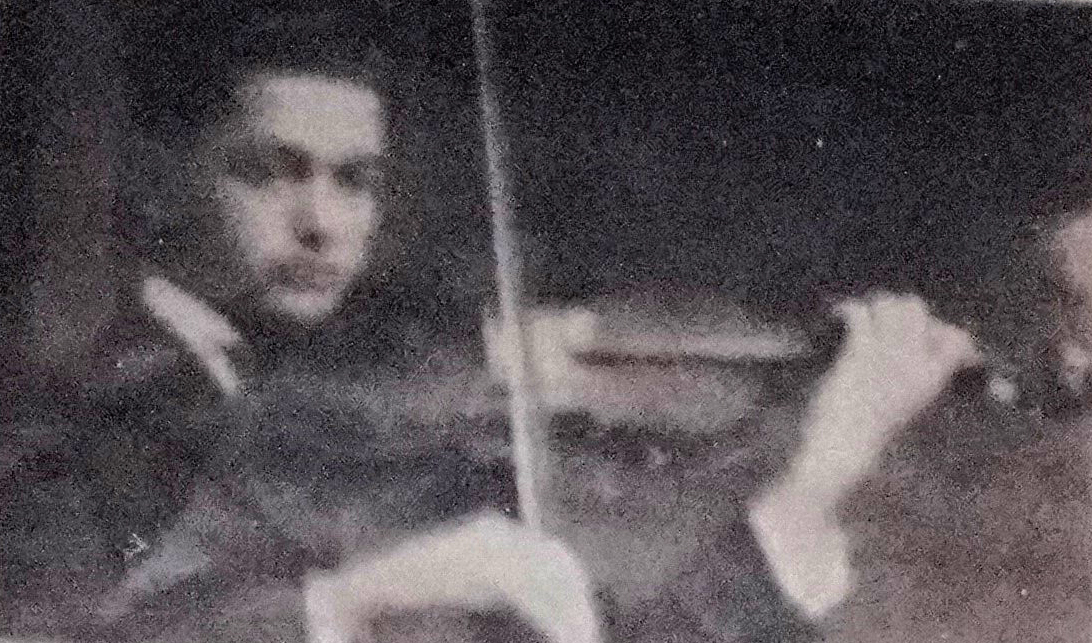
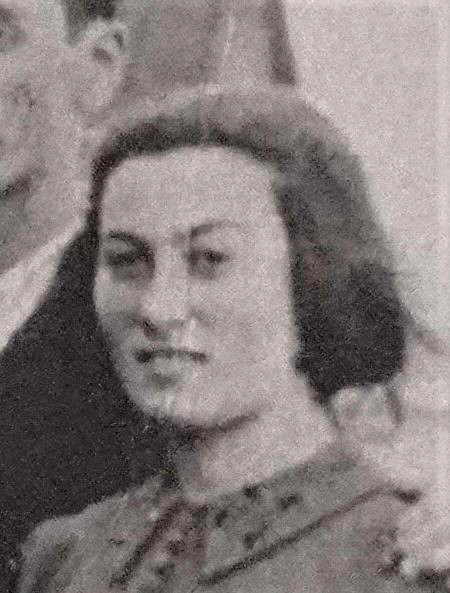
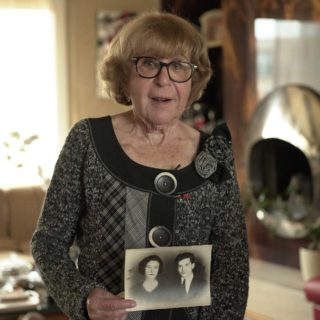
Frania jeune