If this encounter touched you, you can support our work with a donation.

Donate
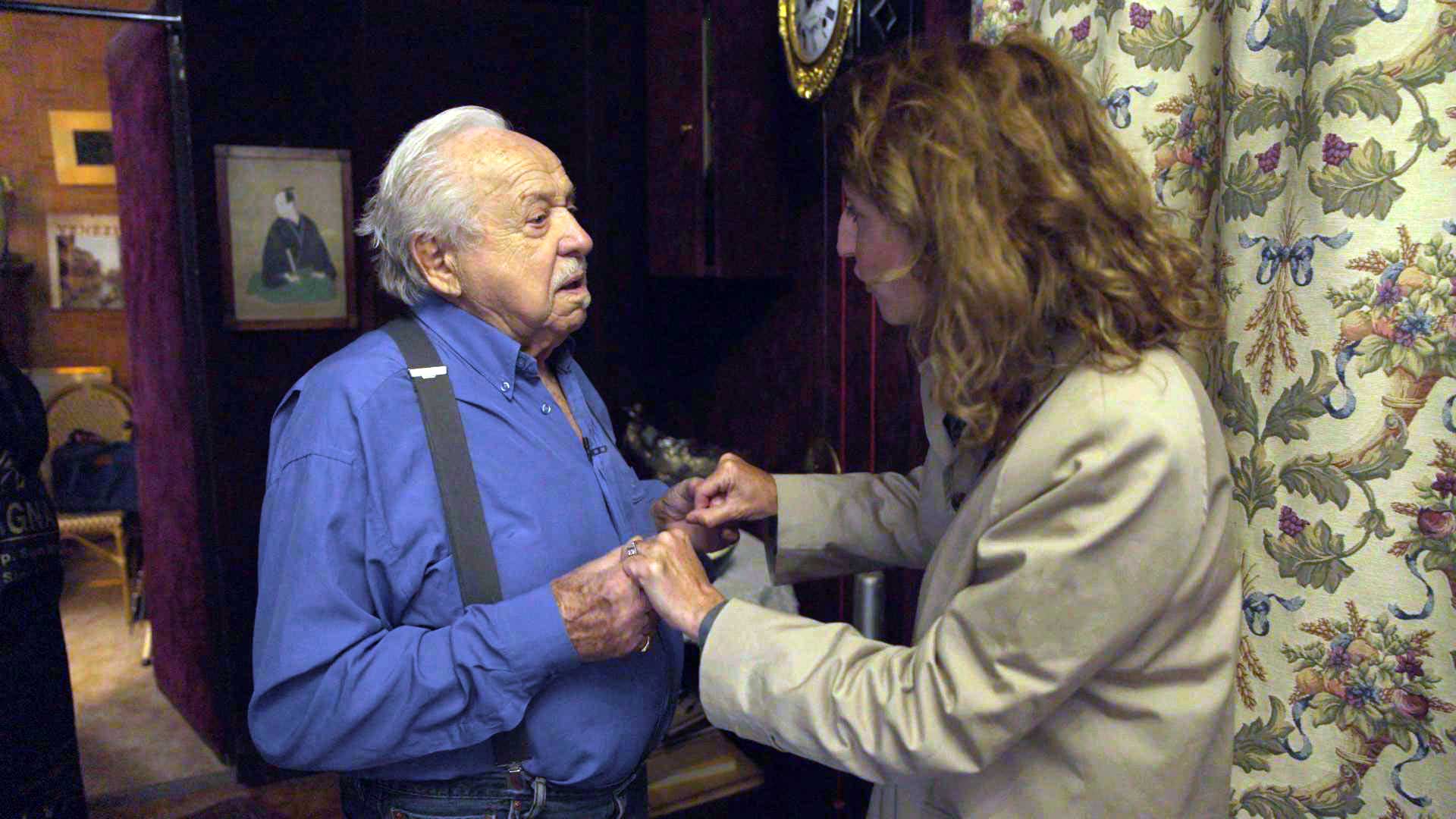
My visit to

Léon

« I became a champion so that people would leave me alone! »

Léon Lewkowicz

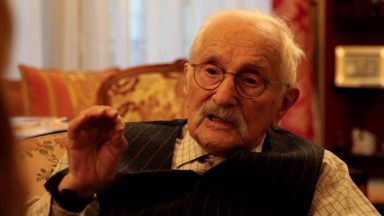
Léon Lewkowicz was born in 1930 in Łódź, Poland.
He was a true miracle to his parents, who had waited many years to have a child — his mother was over forty when he was born.

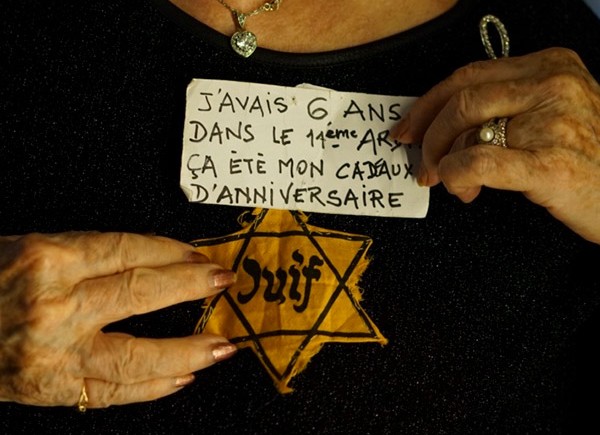
On his first day of school, Léon was attacked by classmates who pulled down his pants to see if he was Jewish. He returned home in tears, and his mother decided to keep him close, becoming his teacher herself. At the age of ten, the family was forced to leave everything behind and enter the Łódź Ghetto. Léon slept in a suitcase under a bed. He remembers that in the ghetto there was no trash — people were so hungry they ate absolutely everything. Death was part of daily life.

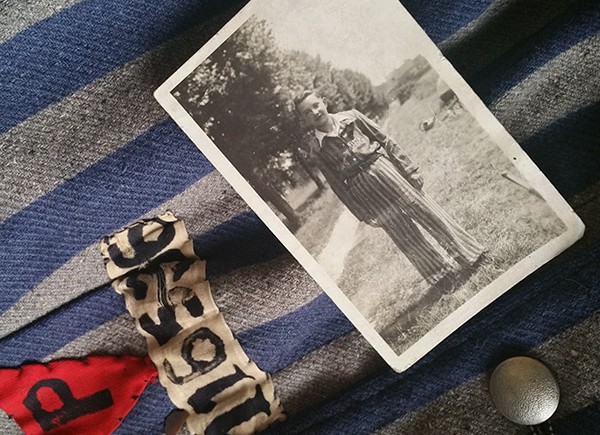
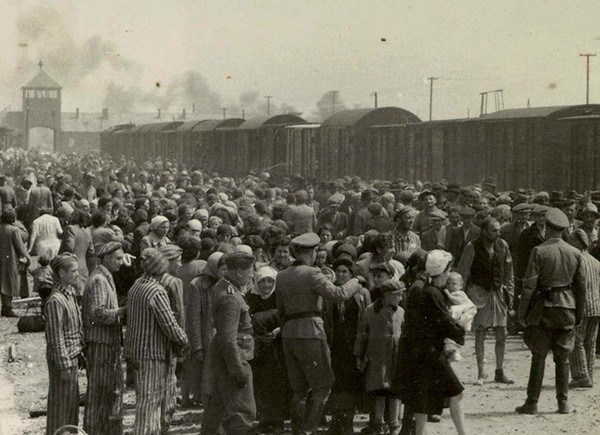
At fourteen, he arrived at the Birkenau camp, where he miraculously survived the selection by lying about his age, since all children under sixteen were sent directly to the gas chamber. Léon narrowly escaped that fate — one of the very few to emerge alive from a gas chamber during the Sonderkommando revolt of October 7, 1944. He later said he had “known hell while still alive.”

Liberated at Buchenwald, he was among the 426 child survivors received by the OEuvre de Secours aux Enfants (OSE) in June 1945, alongside Élie Buzyn.

After the war, weighing only thirty kilos, he decided to build up his body and learn to fight so that no one would ever call him a “dirty Jew” again. In 1955, he became the French weightlifting champion, and in 1978 was named Best Craftsman of France (Meilleur Ouvrier de France) as a master jeweler and stone setter. He later married the woman he affectionately called his dragonfly.” In 2024, Léon carried the Olympic flame through the streets of Paris — a living symbol of resilience and strength.


More info on Léon Lewkowicz