Victor
Perahia

Victor Perahia

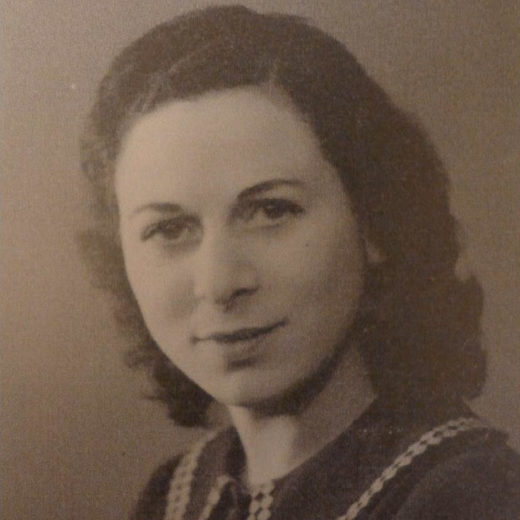
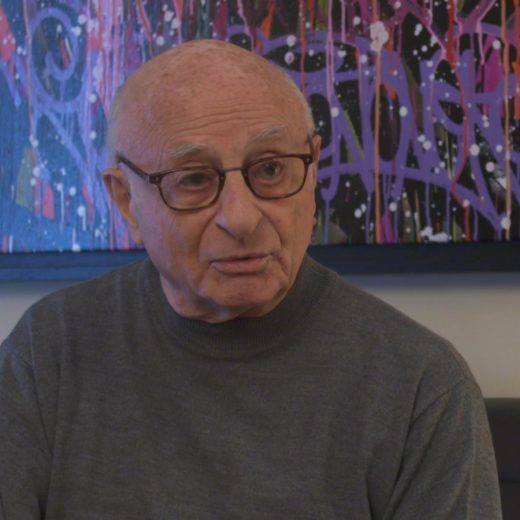
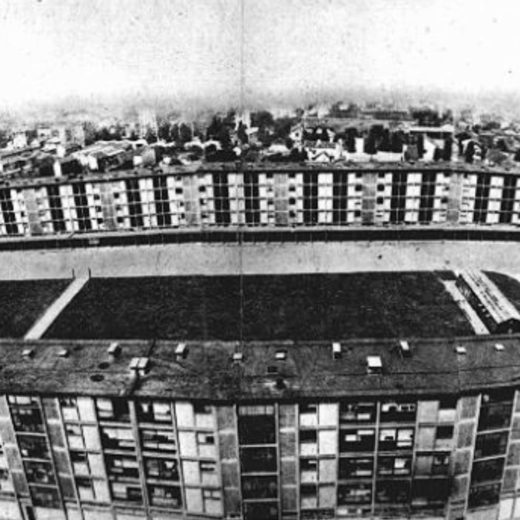
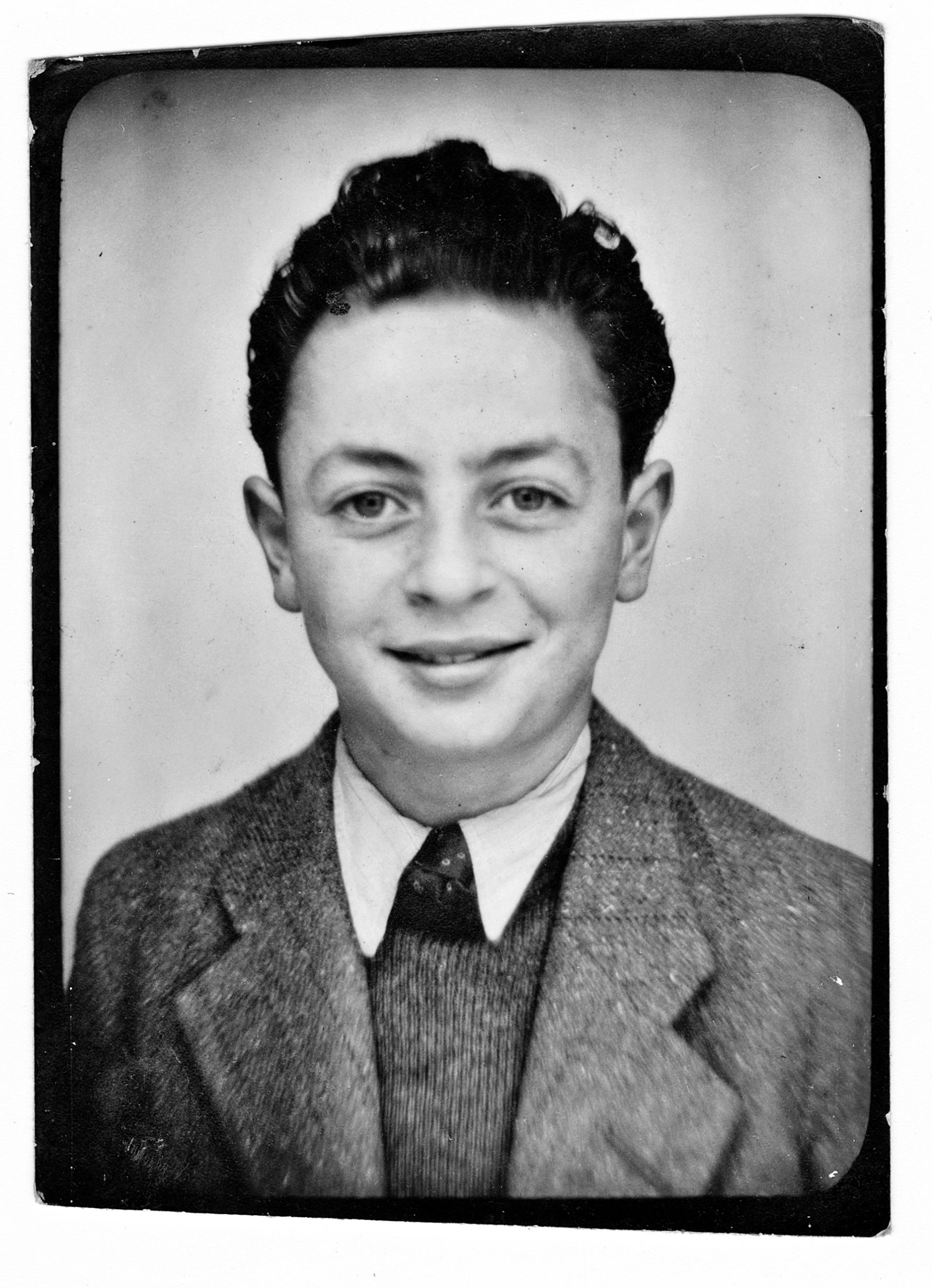
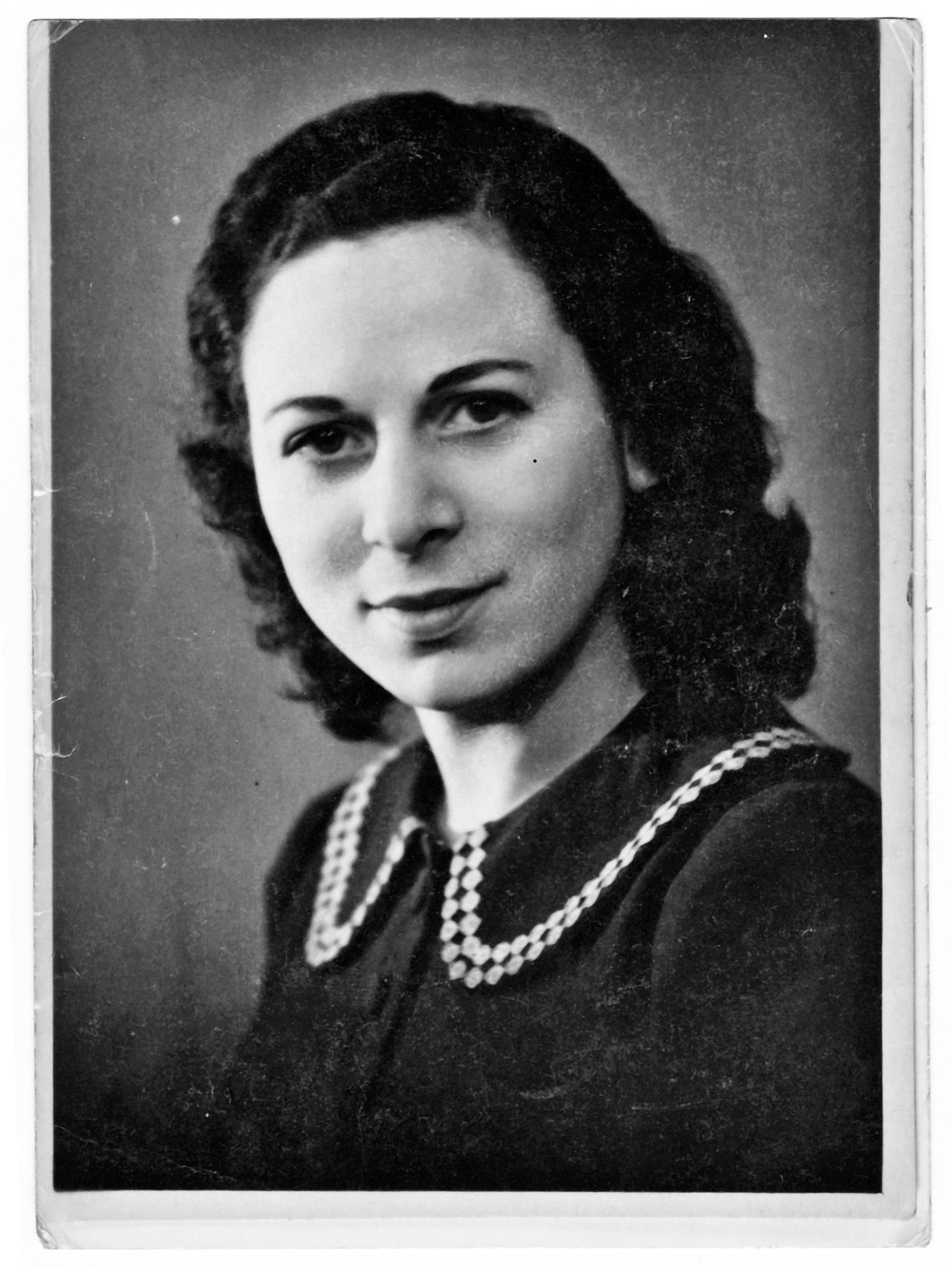
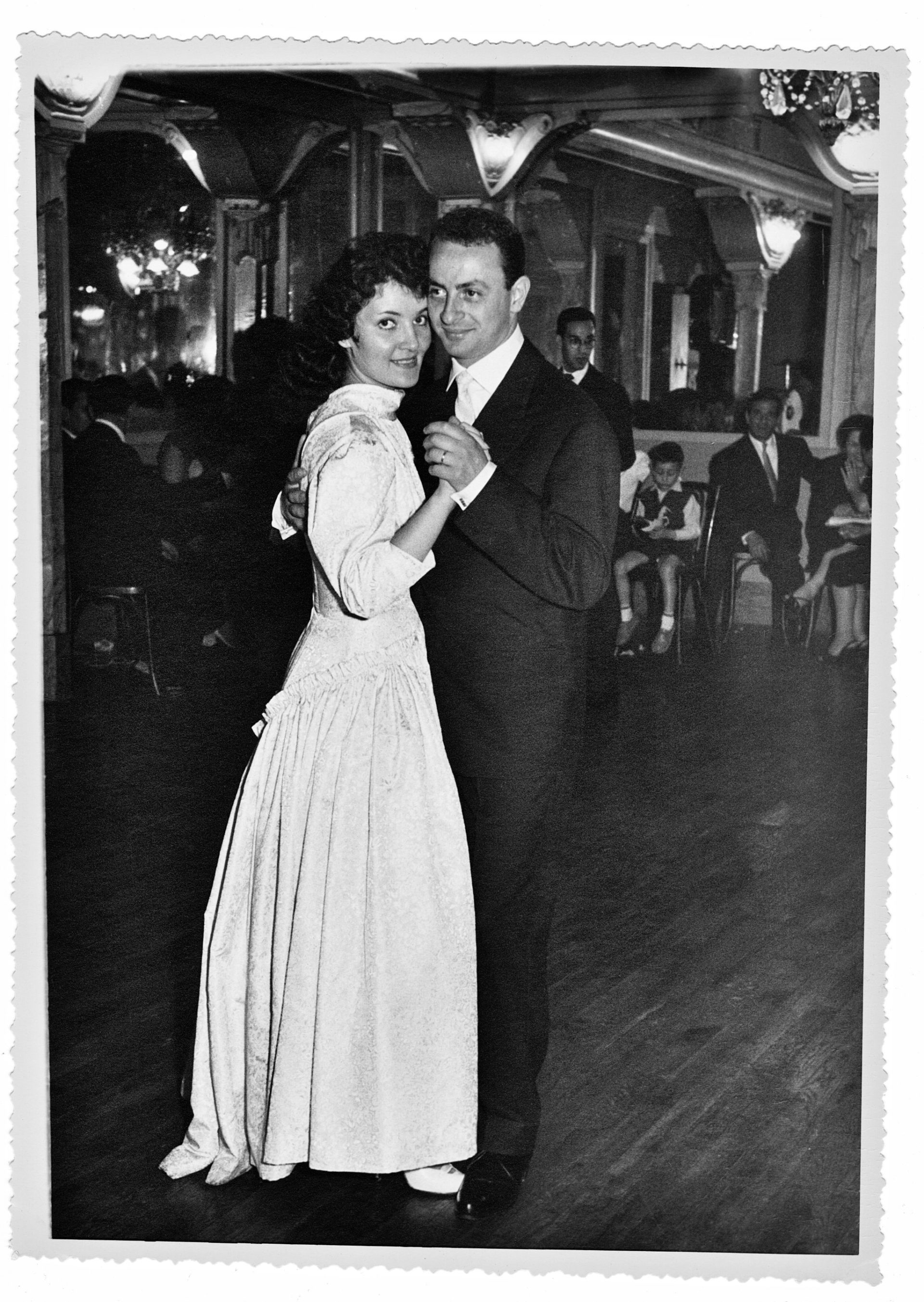
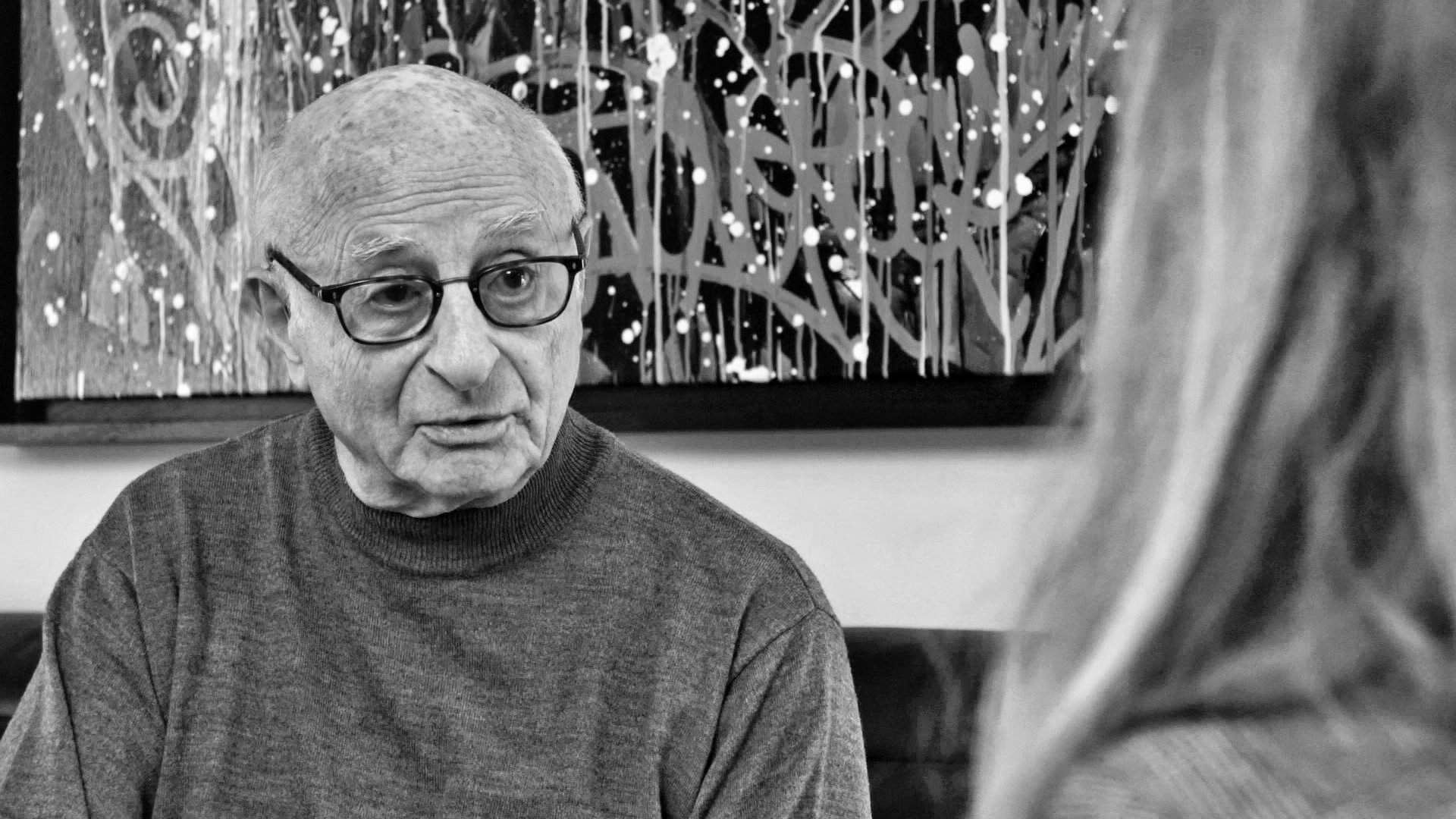
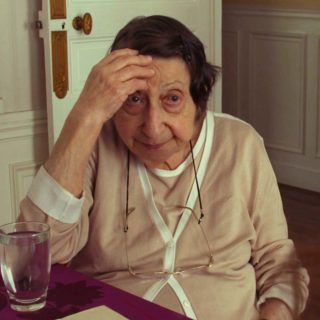
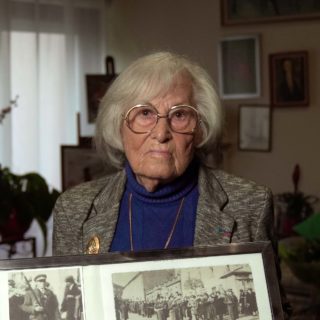
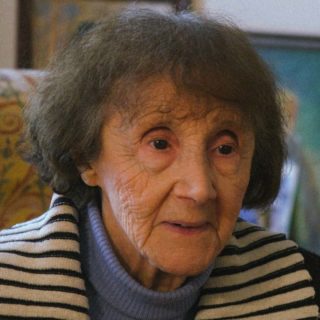
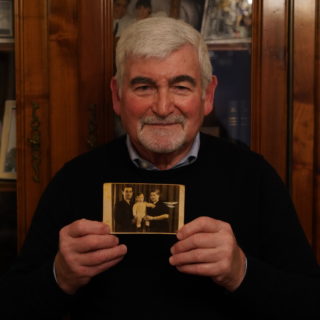
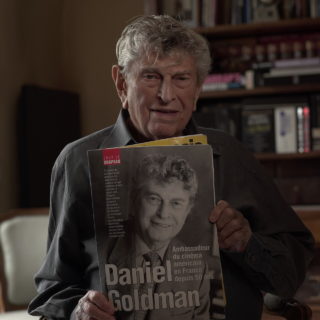
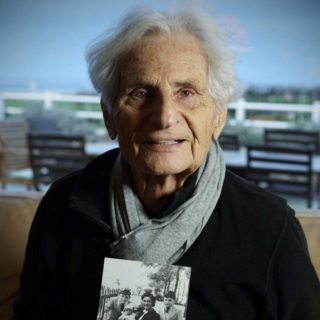
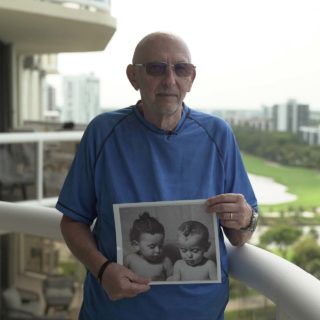
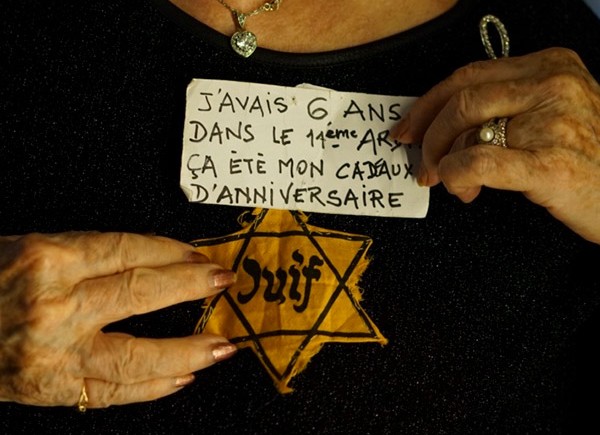
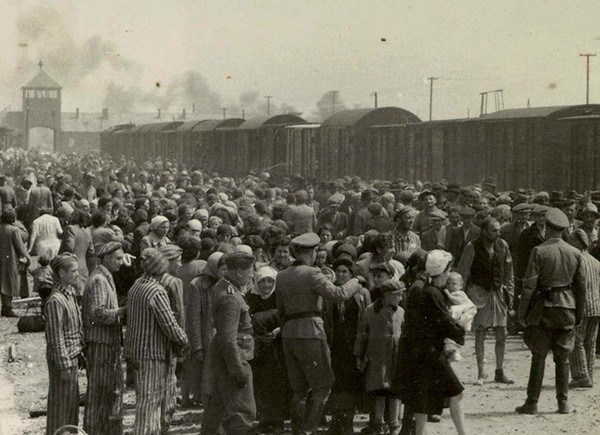
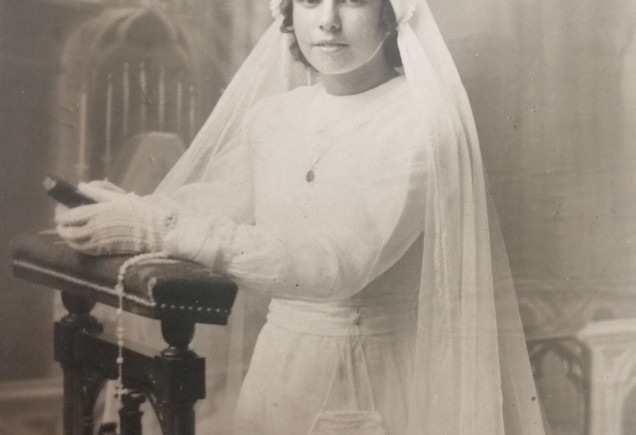
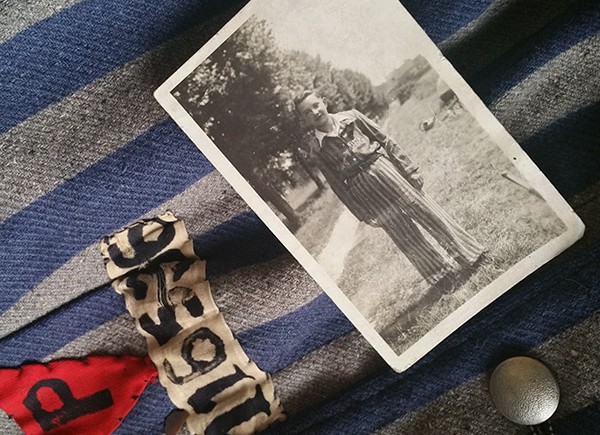
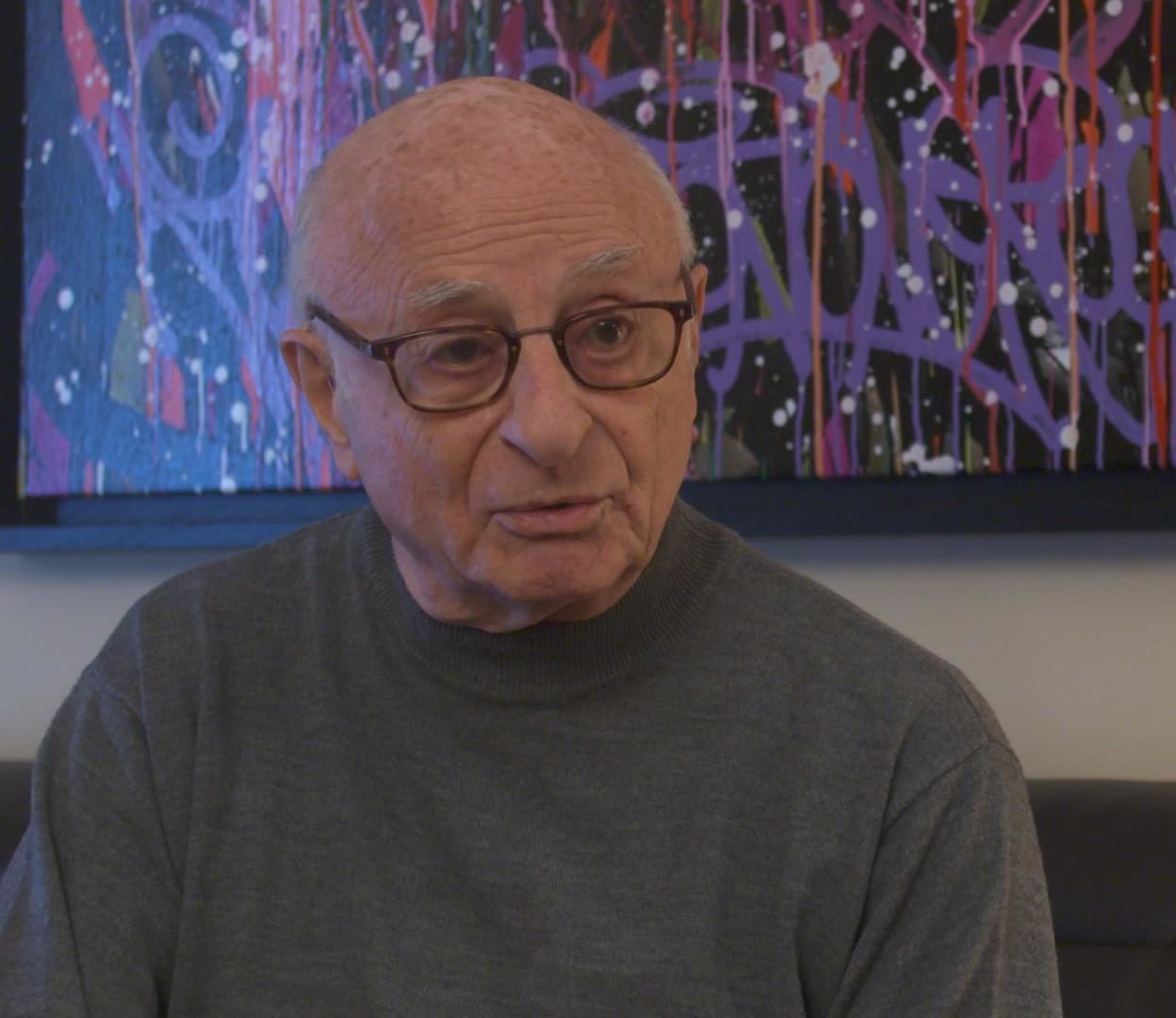
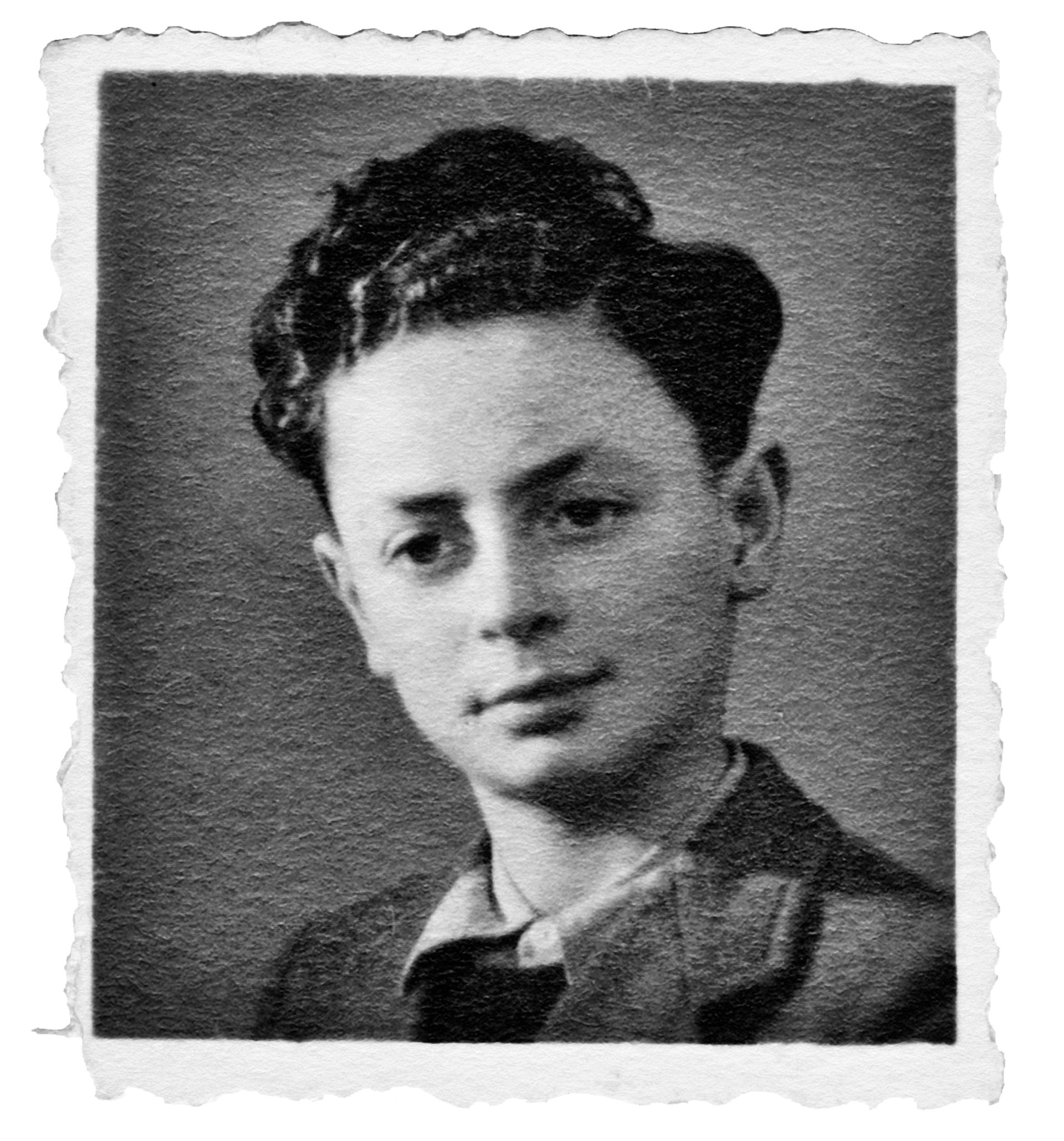
Victor was born in Paris in 1933. During the war, he lived in Saint-Nazaire with his parents and brother. On July 15, 1942, Victor was then 9 years old, the family was having dinner when a knock came at the door. It was the police, taking him, his mother and his father in for a so-called identity check. His brother who was not at home that day was spared. His father was taken directly to Auschwitz, and Victor never saw him again. Victor was sent to Drancy with his mother, who miraculously managed to pass herself off as a prisoner's wife, a category that was spared deportation. They remained in Drancy for 22 months until they were taken to Bergen-Belsen where they spent almost a year. Thanks to his mother's presence by his side, he felt nothing bad could happen to him. That's what kept him going, until the day he saw her being assaulted by a man on a cattle car journey to Germany. She then told her son: "If you love me, don’t give up”. That was just before the end of the war. After the war, they had nothing to start a new life. In addition to having lost everything, Victor had to live with images of corpses spinning around in his head. He no longer considered himself a normal human being, but he fought with great bravery and dignity to rebuild his life. He got married, had two children and opened a contemporary art gallery. He never talked about his past and refused to answer his daughter's questions. But deep down, he felt shame for not fulfilling what he considered to be his duty: speaking up. So, in secret, and for six years, he wrote his story. Since then, he has been able to share his painful past on a regular basis, with the loving support of his family. [...+]

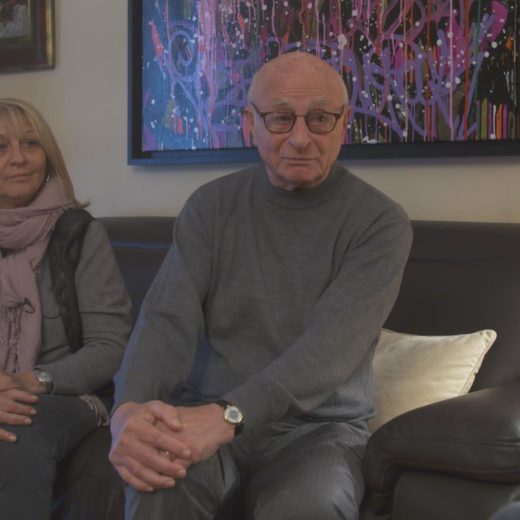
My visit to Victor

Clips

See

Victor

« If living means suffering, we might as well stop now. »
See

Victor

« The German method was to minimize the seriousness of the situation so that we wouldn't resist. »
See

Victor

« What can happen to me as long as I have my mother? »
See

Victor

« We had to rebuild everything. We were no longer normal human beings. »

Livres

Sophie Nahum
Les derniers
Rencontre avec les survivants des camps de concentration

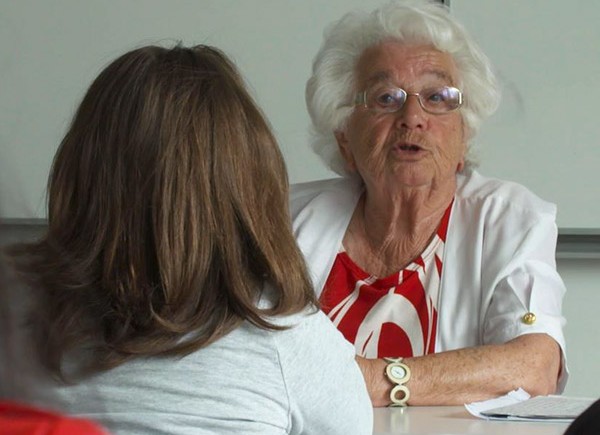
There are not many left who can bear witness to the concentration camps. Barely a hundred men and women, who were silent for a long time in the face of a post-war France that was reluctant to listen to them. Survivors thanks above all to a succession of chance events, they were able to rebuild their lives with remarkable courage. Sophie Nahum went to meet the “Last Ones”, these extraordinary resilient people, including Ginette Kolinka and Élie Buzyn, for a series of short documentaries, from which results this choral book. Their testimonies echo each other, while revealing the singularity of each destiny. In this way, the last survivors of the Shoah – 75 years after the liberation of Auschwitz – offer us a poignant look at their experiences.

“Touching. These men and women speak from the heart”. Paris Match

“My heart beat for [this] book.” Leila Kaddour.

Sophie Nahum has been making documentaries for over 20 years. After working for the major channels, most notably Arte, she decided to produce her films independently. Young et moi (2015, awarded at FIGRA) was the first, followed by the multi-media project “Les Derniers”, to which she has devoted herself entirely for the past four years.

Photos
Other witnesses